
Author Archives: wcsarchivesadmin

Betty and Veronica

BZ Archie CoverBetty and Veronica, the two grizzly bears who have recently moved from the Bronx Zoo to take up residence at the Central Park Zoo, have been local media stars lately, appearing in the New York Times, the Post, and on several news stations.

But these two are no strangers to fame: in fact, in 2004, they were the cover stars of Archie Comic No. 550.  Continue reading
Voyage to the Galapagos: Digitizing Photographic Gems from the Department of Tropical Research

1005-20-02-0124.tif Since September I have worked with the WCS Library and Archives in their ongoing effort to digitize historical photographic holdings. My focus has been on a collection documenting one of the expeditions made by the Society’s Department of Tropical Research. William Beebe led this 1925 expedition from New York to the Galapagos on a ship named Arcturus.   Continue reading
Notes from the Field

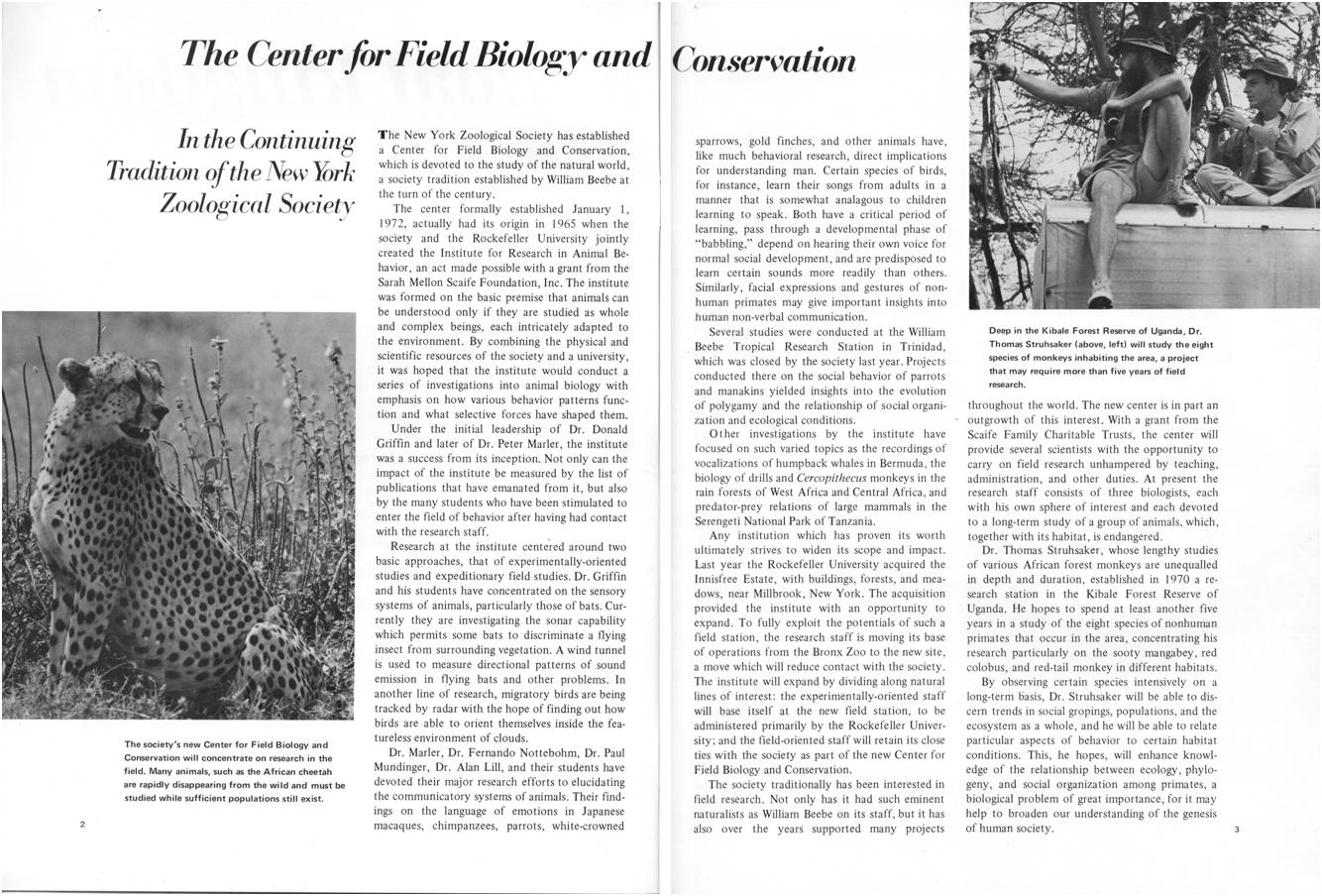
4062-01-05-1972-02-NYZS-CFBCarticle Processing the records of the New York Zoological Society’s (now the Wildlife Conservation Society) Center for Field Biology and Conservation (CFBC) was like a crash course in the Society’s field research and wildlife conservation efforts of the 1970s. In this post, I’ll give you a glimpse of both the CFBC’s history, as seen through its records, and the processing process itself. (Archival terms are linked to the Society of American Archivists glossary.)  Continue reading

WCS Luminaries, Wikipedia, and Increasing Access to Archives

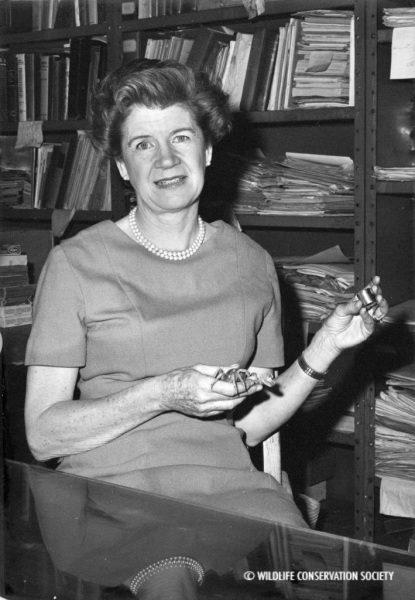
Wildlife Conservation Society_35307_Jocelyn Crane Griffin With Crab_BZ_01 20 66 One way to trace the history of an organization is through the people who worked for it.

Recently, I’ve been working on a project to write biographies of some key figures in the history of WCS and upload these to Wikipedia. This has the advantage of not only providing a historical resource about the person but also broadening awareness of WCS’s history.   Continue reading

From the doctor’s desk: the letters of Veterinarian Charles Gandal

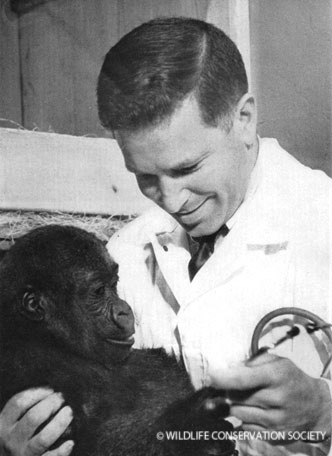
Gandal performing a checkup on a baby gorilla, circa 1966. Animal Kingdom vol. LXIX (4), August 1966.Charles Gandal–or “Chick”, as he was affectionately called–served as the Chief Veterinarian of the New York Zoological Society from 1958 until 1969. With specializations in anesthesia and nutrition, along with an extensive knowledge of avian and reptilian diseases, Gandal was a dedicated veterinarian who was always busy caring for the animals at the zoo and researching how to more effectively treat them.

Continue reading

Happy 50th to the (New) Aquatic Birds House!

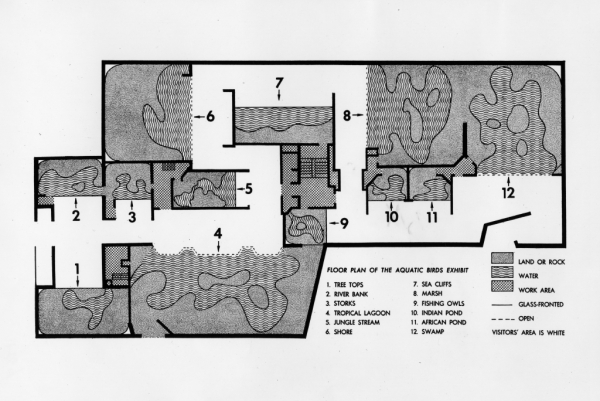
Aquatic Birds House floor plan. WCS Photo Collection

This week on Wild Things, we’re celebrating a big Bronx Zoo milestone: the fiftieth anniversary of the opening of the new Aquatic Birds House. On September 24, 1964, New York Zoological Society members flocked (sorry! had to do it!) to a preview of the new exhibit, which featured herons and spoonbills, rails and stilts, flamingos and ibises, storks and jacanas, avocets and hammerheads, stints and plovers, terns and cormorants, and other birds dependent on wetlands. Continue reading

Trail blazing for women scientists: Gloria Hollister Anable’s papers

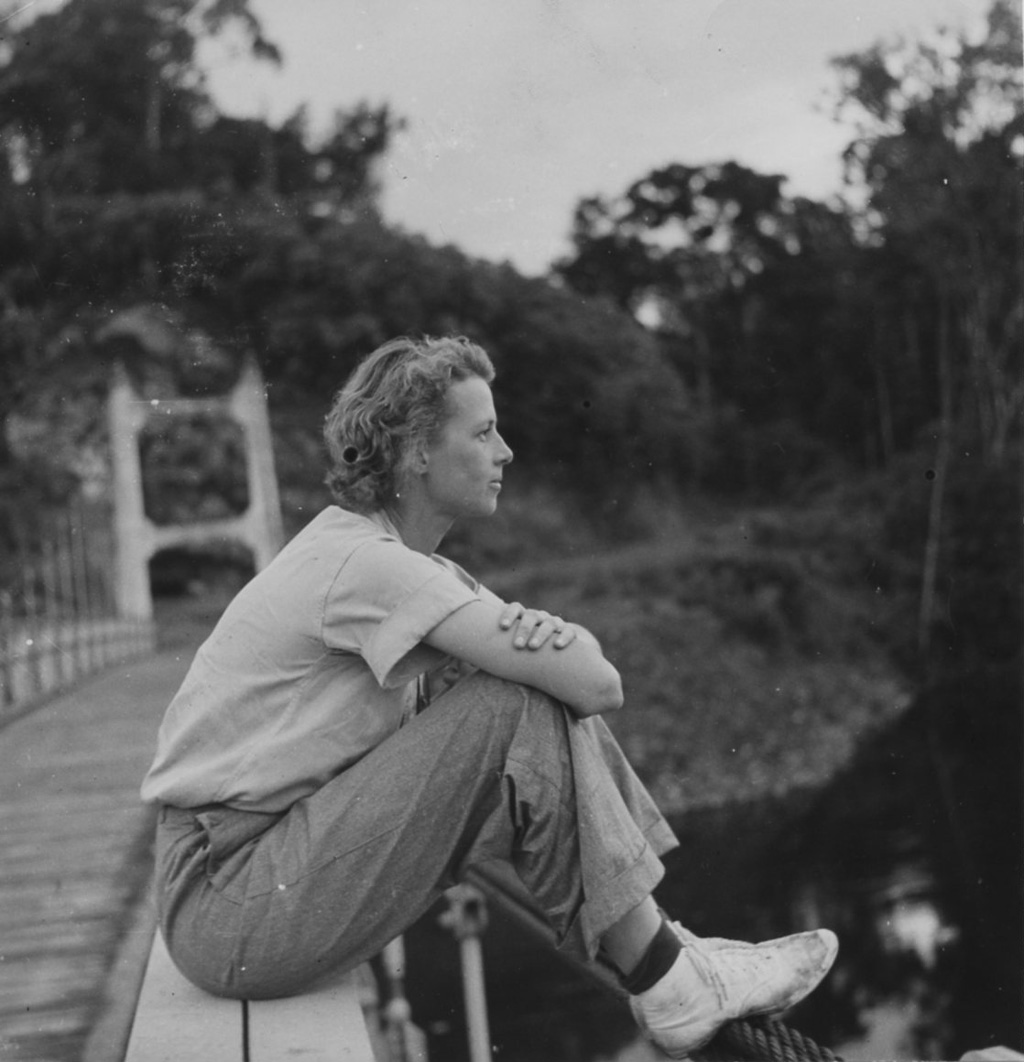
Gloria Hollister on a suspension bridge at Garraway, British Guiana, 1936. Scanned from WCS Archives Collection 1006

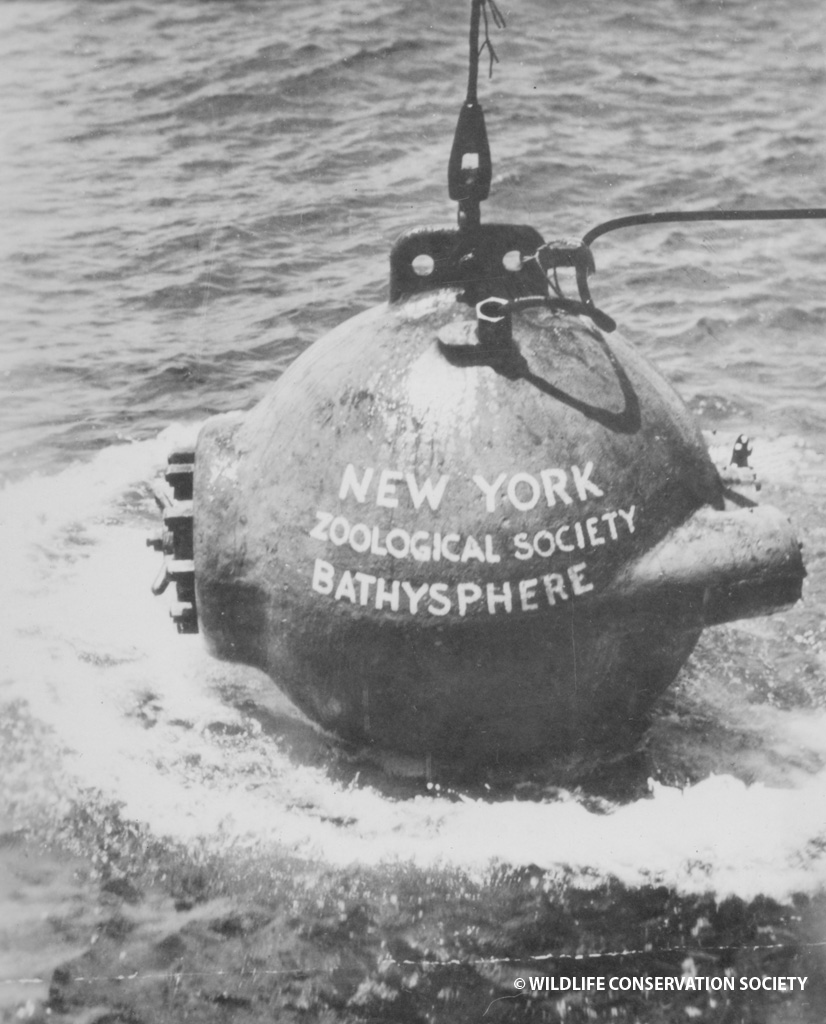
Processing the collection of Gloria Hollister Anable has been an enlightening experience not only because of her extraordinary life but also because of her obscurity. Relatively unknown outside of conservation circles, Hollister took part in several expeditions for the New York Zoological Society (NYZS), including Dr. William Beebe’s expeditions to Bermuda. During one such expedition to Nonsuch Island, Hollister descended in the Bathysphere, an underwater submersible, to a depth of 1,208 feet – at that time a record for a deep-sea dive completed by a woman. Hollister led her own expedition to British Guiana in 1936, worked in the first Red Cross blood bank during World War II, and in the 1950s was chairwoman of the Mianus River Gorge Conservation Committee. Continue reading

1970s Whale Songs Continue to Echo Today

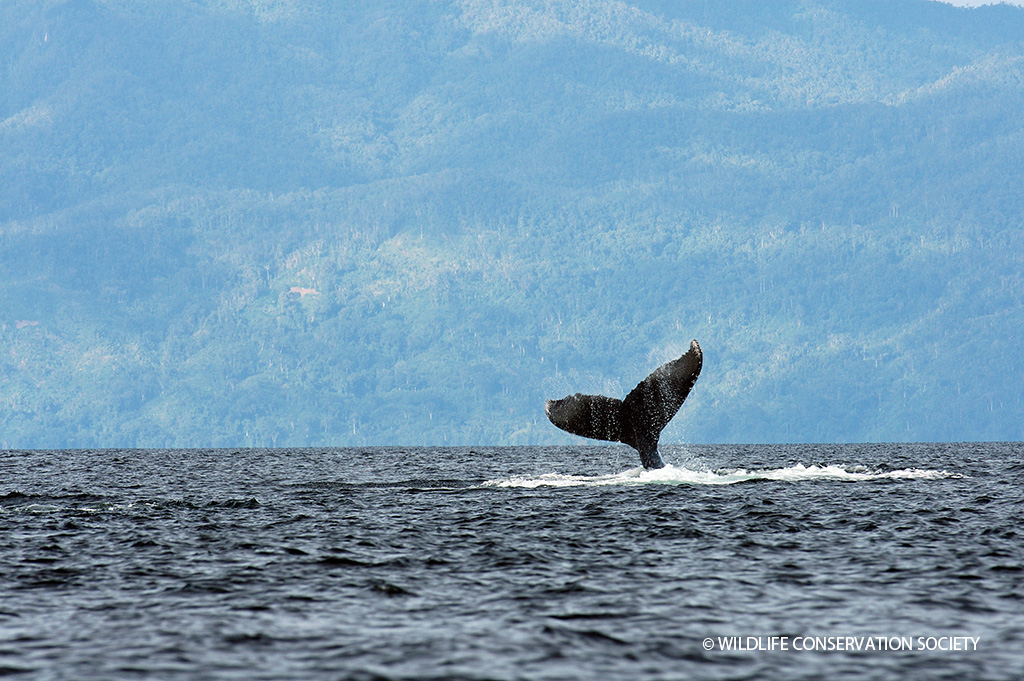
Julie Larsen Maher_0542_Humpback whale in Antongil Bay_MDG_07 15 04 Few things can compare to the thrill of seeing a whale at sea. Every year, thousands of nature enthusiasts head out to sea in search of these leviathans, which to many have become the embodiment of nature itself. What’s the attraction? Whales are gigantic and graceful animals exquisitely adapted to the marine environment, and—as we have come to learn over the past half century—behaviorally sophisticated and intelligent. As mammals that left the land more than 50 million years ago, they are distant relatives after all, alien yet somehow familiar and endearing. Continue reading

Diving into the Past: Discovering the Department of Tropical Research through Digitization

1005-20-01-0016-blog.jpg Spending months working with historical photos from a specific collection almost creates an illusion that one may have participated in the scenes depicted in these prints.  This notion particularly holds strong when carefully scanning and assigning appropriate metadata to historical photos from scientific research expeditions in beautiful locales filled with wondrous wildlife. Having the privilege to spend my photo archives internship working with many prints from the famous Bathysphere dives conducted by William Beebe and Otis Barton provided me with an imaginary tropical escape while also teaching me invaluable metadata skills. Continue reading

Fighting (and Fanaticism) for Fur Seals

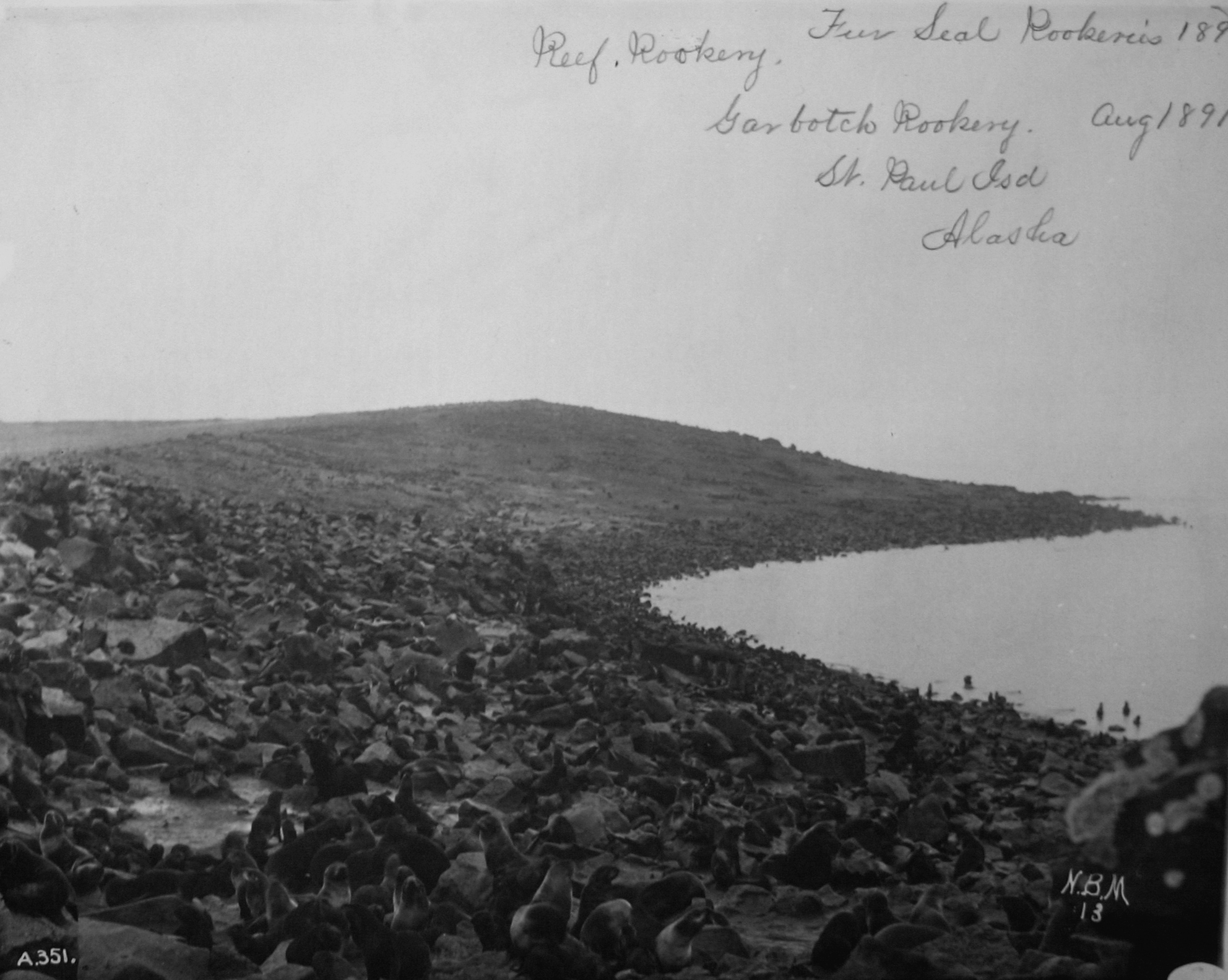
fish7848 Henry W. Elliott, William T. Hornaday, and John Hay spent nearly a decade attempting to save the staggering decimation of the Alaskan fur seals from their mating grounds on the Pribilof Islands. The islands were first discovered by Europeans in 1786 and soon after became part of the Russian Territories. In 1867, they became property of the United States and were later leased to the Alaska Commercial Company, who held the monopoly on seal hunting and pelt trading. The islands were highly sought by hunters for their fur seal rookeries, large areas where thousands of seals gathered to mate, raise their young, and fish.  Continue reading