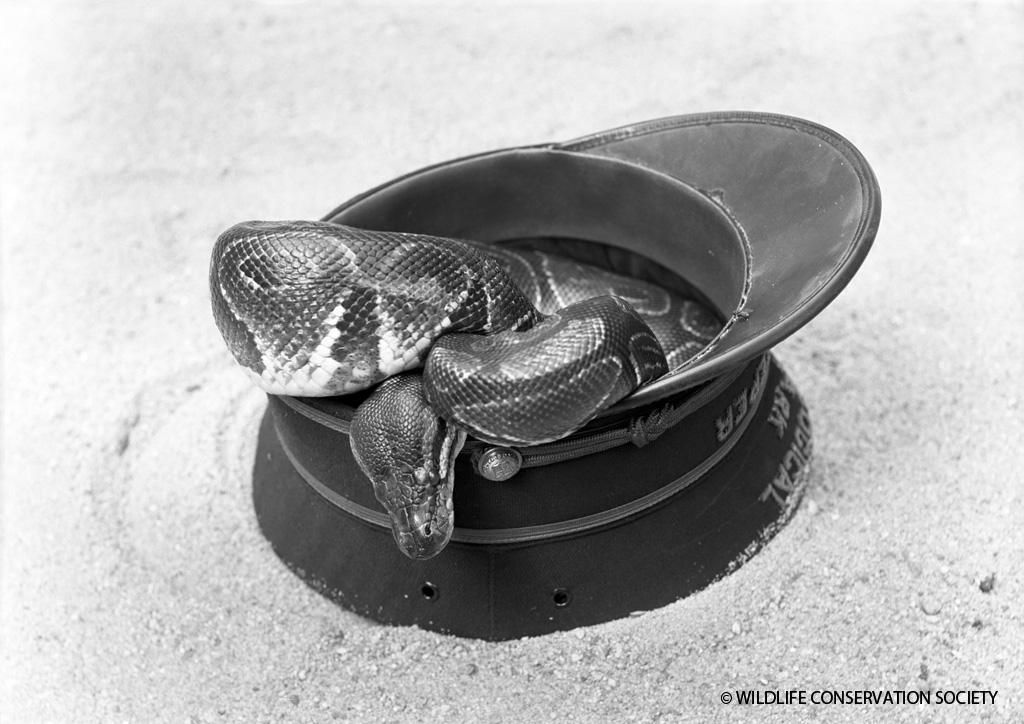
 In January 2016, the WCS Archives began a project to preserve WCS’s historical photographic negatives. Since then, another intern and I have been going through these negatives one by one, inspecting them and creating an inventory, noting any information we can glean about their title, date, and physical condition. To ensure their long-term preservation, these negatives are being rehoused and placed into new acid-free envelopes and boxes. The approximately 50,000 negatives in this collection include both acetate film and glass plate negatives, and the oldest images date back to 1899. During this first phase of the project, I have been working with around the first 10,000 negatives in the collection, which represent the earliest of WCS’s photos, ranging from 1899 to the early 1940s. This project was funded by the New York State Program for the Conservation and Preservation of Library Research Materials.
Preserving Herpetological History… and Beyond
Leave a reply
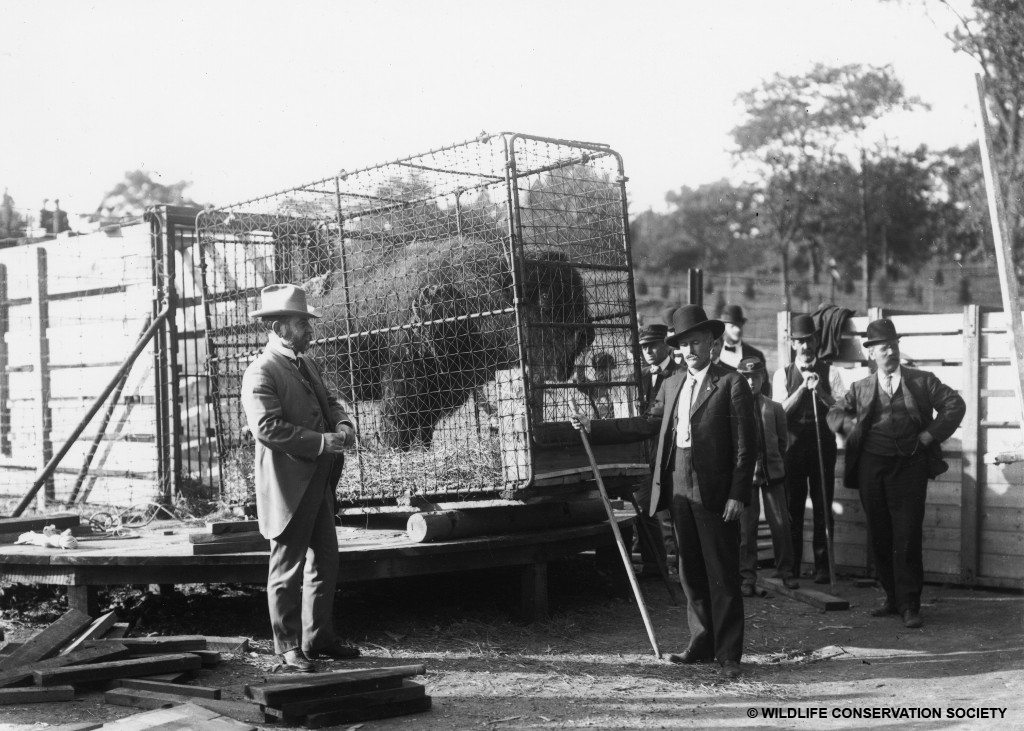
 At the Bronx Zoo the approach of Spring brings warmer weather, and thus increasing crowds enjoying the park. As the season progresses the Horticulture, Maintenance, and Operations Departments, as well as various others, all find themselves increasingly busy with the work of keeping the Zoo presentable. A century ago these departments’ predecessors also joined the fight to maintain the grounds. During the early 20th Century, however, Director William Hornaday, treating the efforts to keep the Zoo clean like one of his
 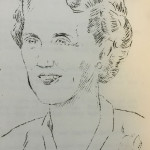 This Women’s History Month, we’re celebrating Grace Davall, who began her career in a secretarial role at the Bronx Zoo in 1923, at the age of 18, and rose through the ranks to become Assistant Curator of Mammals and Birds in 1952. Upon her retirement in 1970 until her death in 1985, she was designated Curator Emeritus.
  Continuing