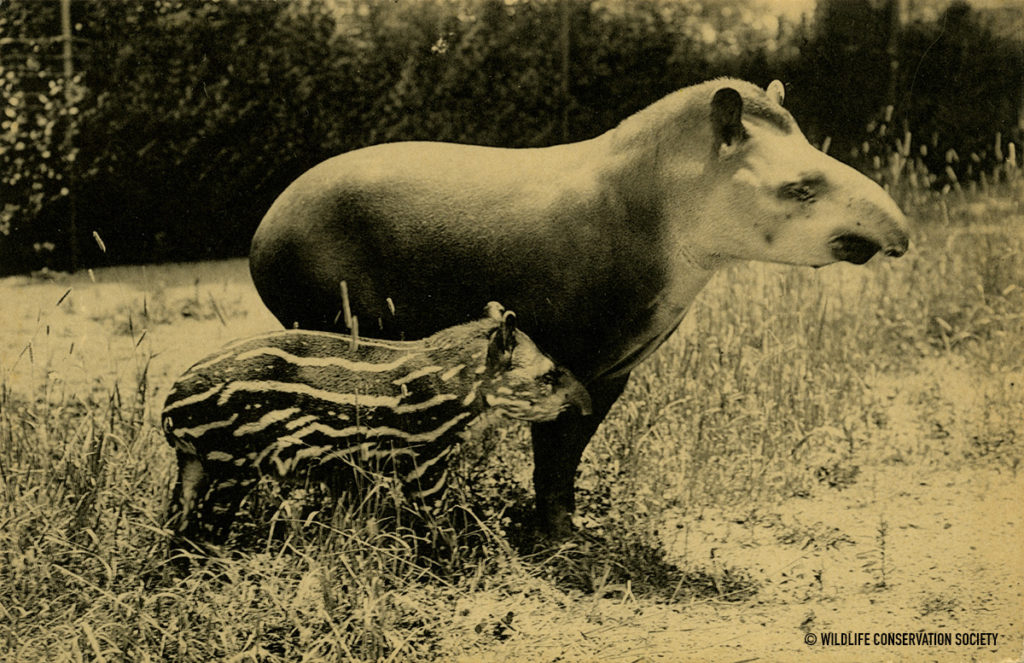
Happy Mothers’ Day! Here is a South American Tapir with her young at the Bronx Zoo in 1941.
View on Instagram
Happy Mothers’ Day! Here is a South American Tapir with her young at the Bronx Zoo in 1941.
View on Instagram
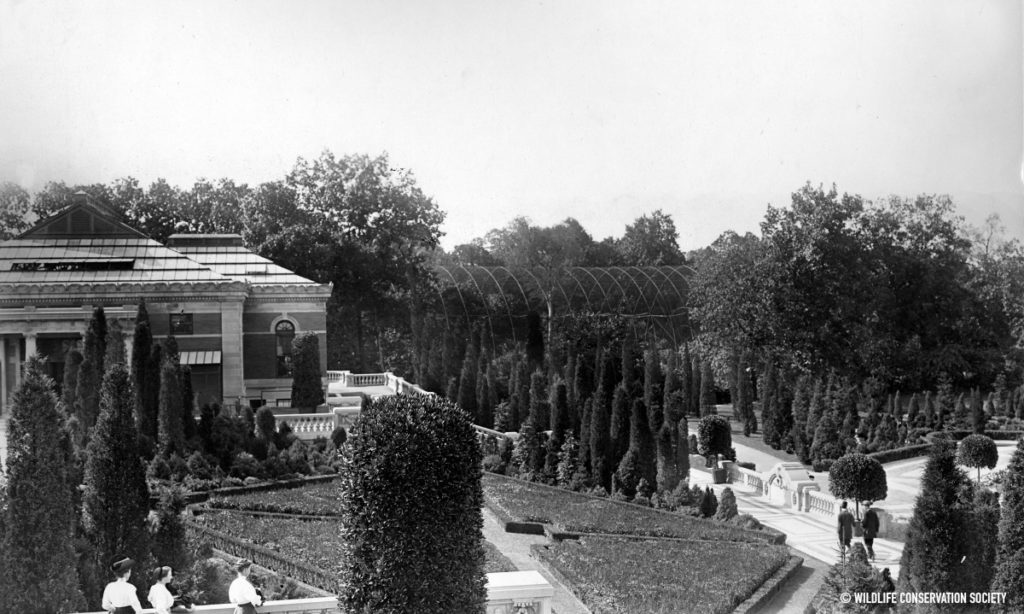
To celebrate today’s Archives Hashtag Party theme, #ArchivesInBloom, here are the gardens at the Bronx Zoo in 1910 with a view of the former Bird House and Aviary.
View on Instagram
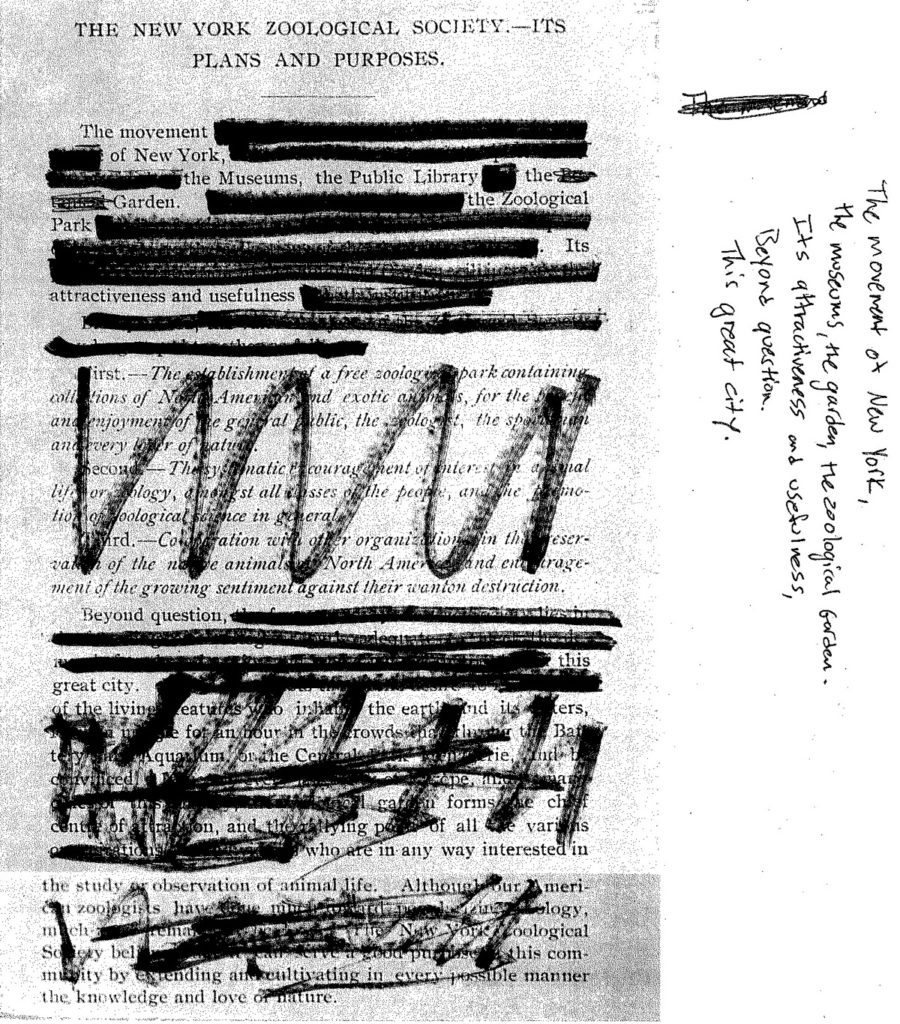
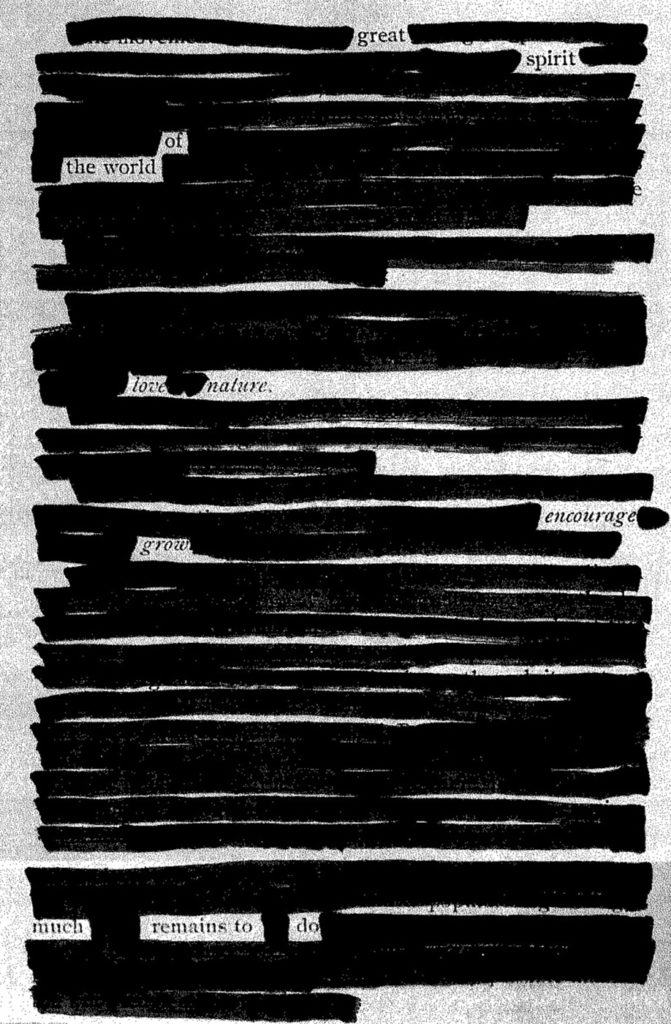

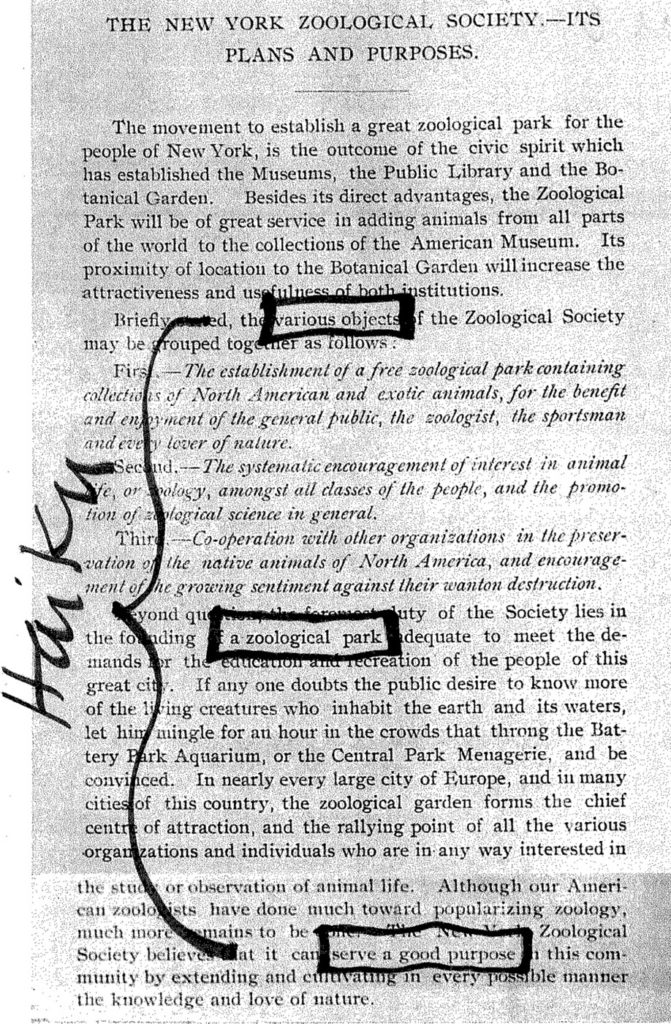
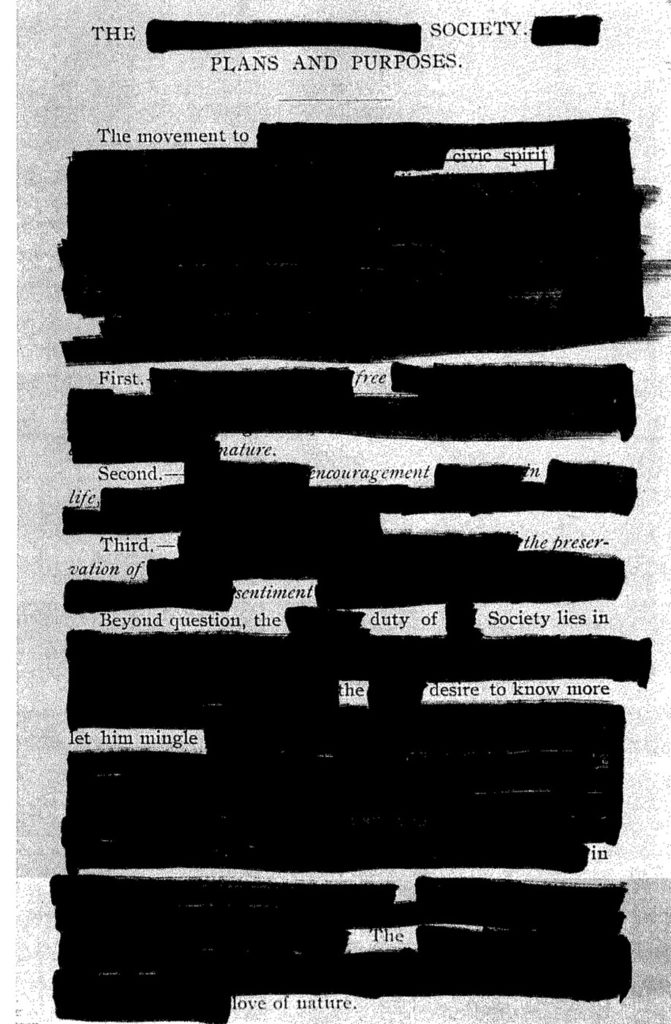
To celebrate today’s 124th anniversary of WCS (founded as the New York Zoological Society), we held a blackout poetry contest using the first page of the Society’s First Annual Report during our staff Library & Archives Open House last week. Here are some selections of the poetry our creative staff came up with!
View on Instagram
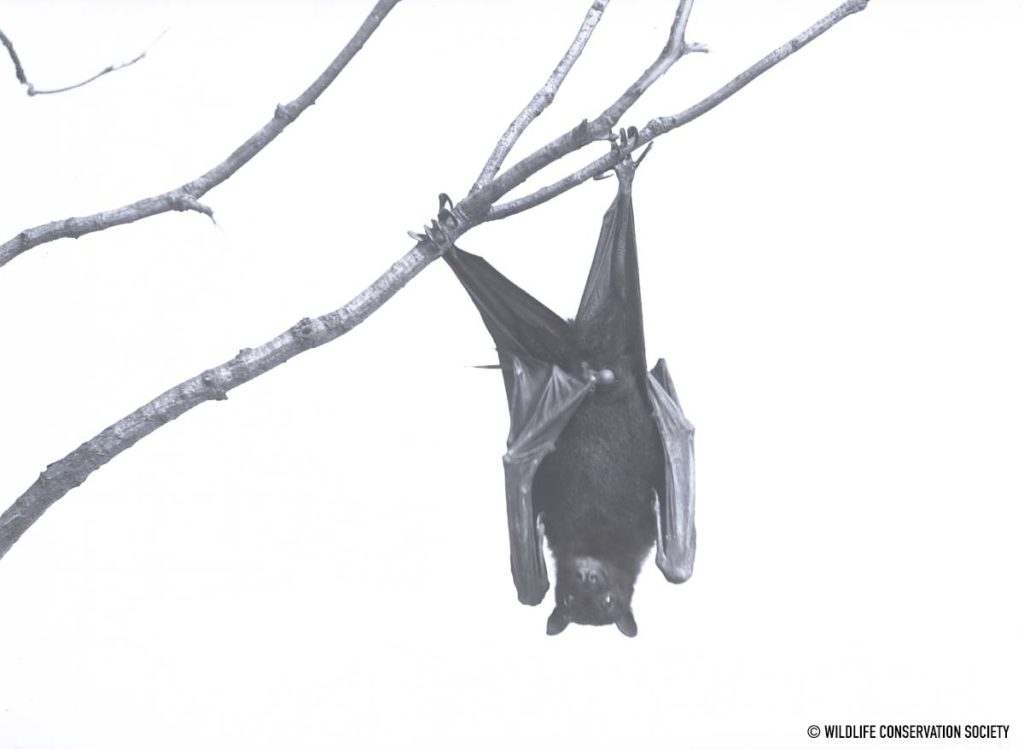
Happy Bat Appreciation Day! Here’s an Indian Fruit Bat, also known as an Indian Flying Fox, hanging out circa the 1900s.
View on Instagram
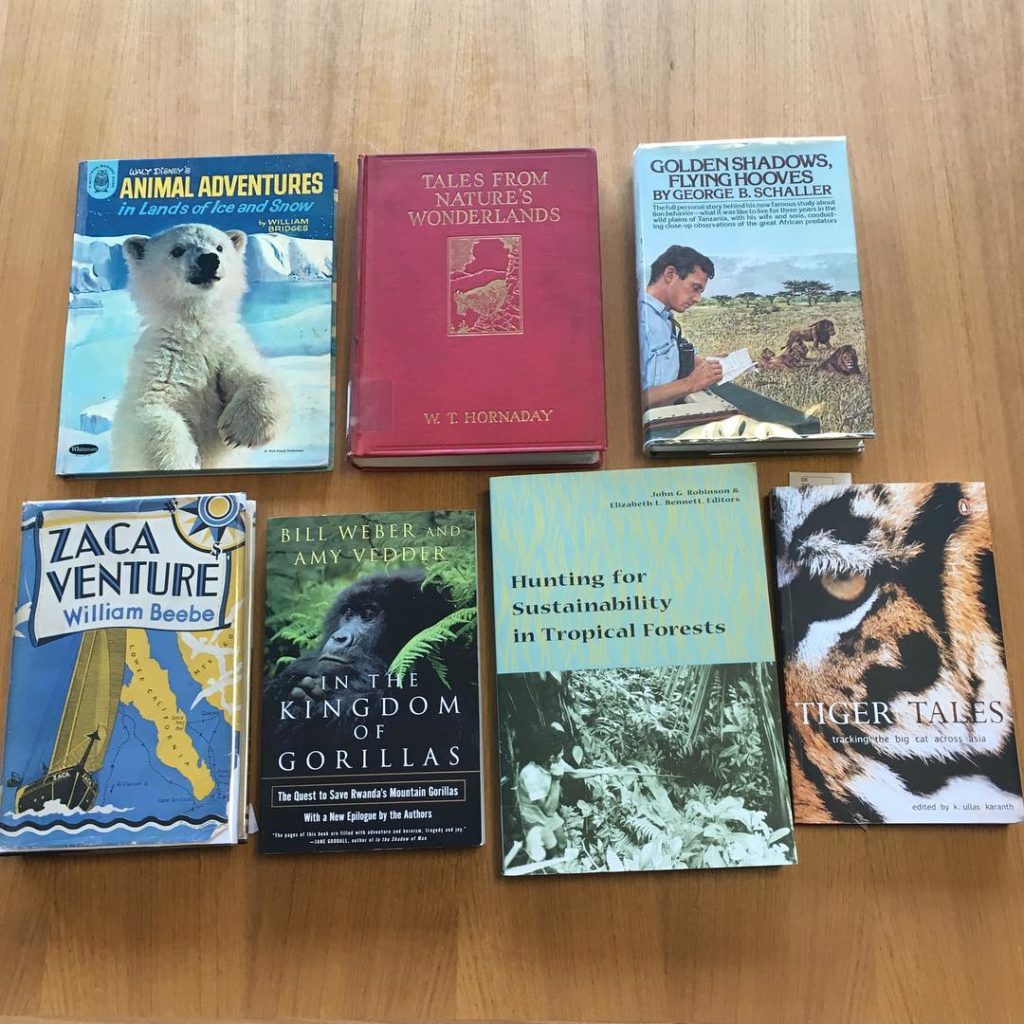
For National Library Week, we’re highlighting books in our library written and edited by WCS authors, both historical and present: William Bridges, William Hornaday, George Schaller, William Beebe, Amy Vedder and Bill Weber, Liz Bennett and John Robinson, and Ullas Karanth.
View on Instagram
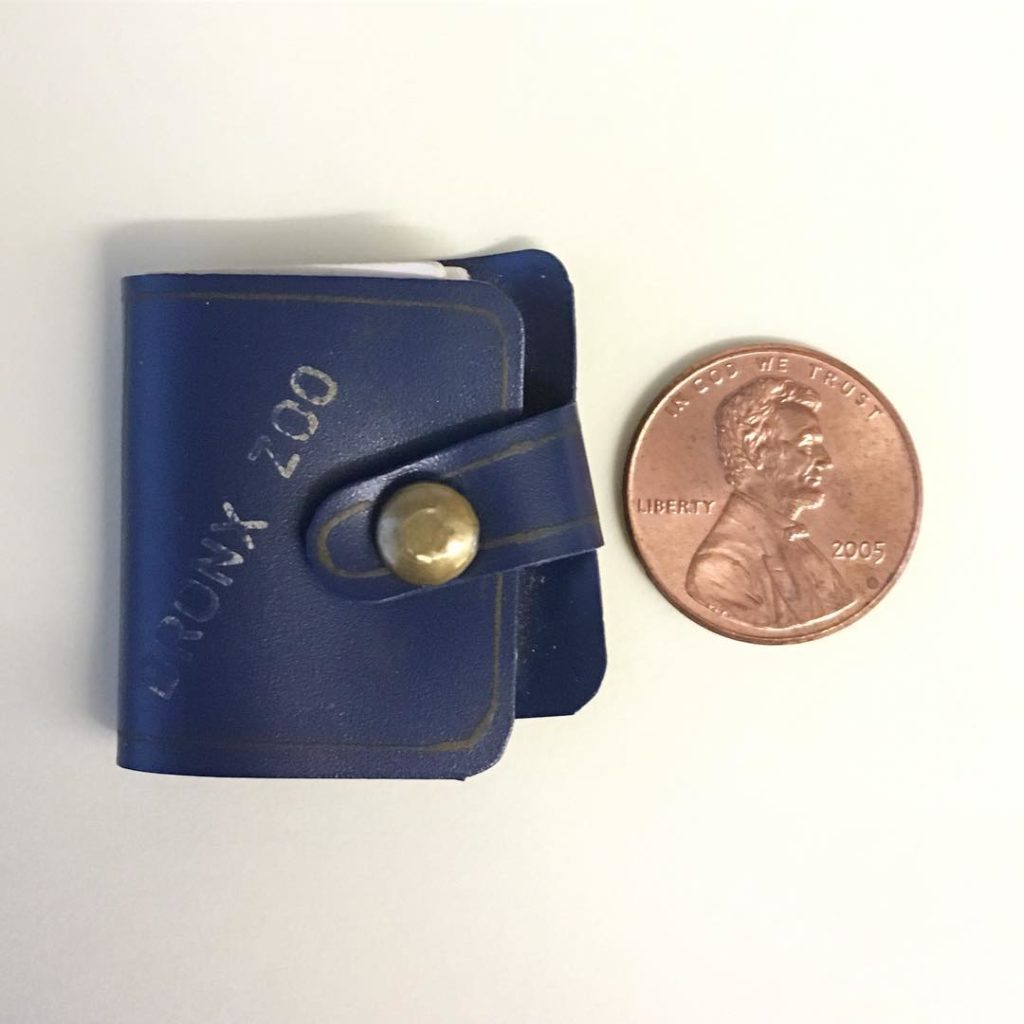
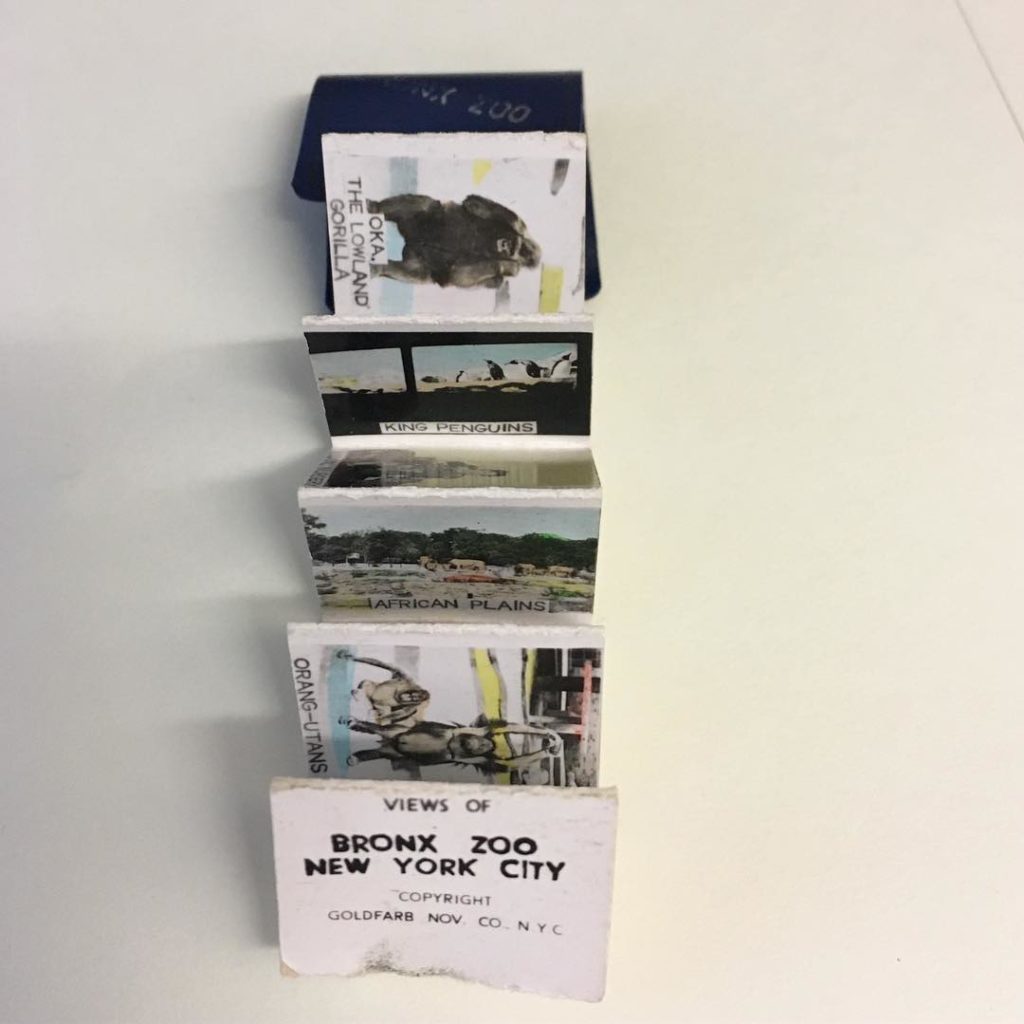
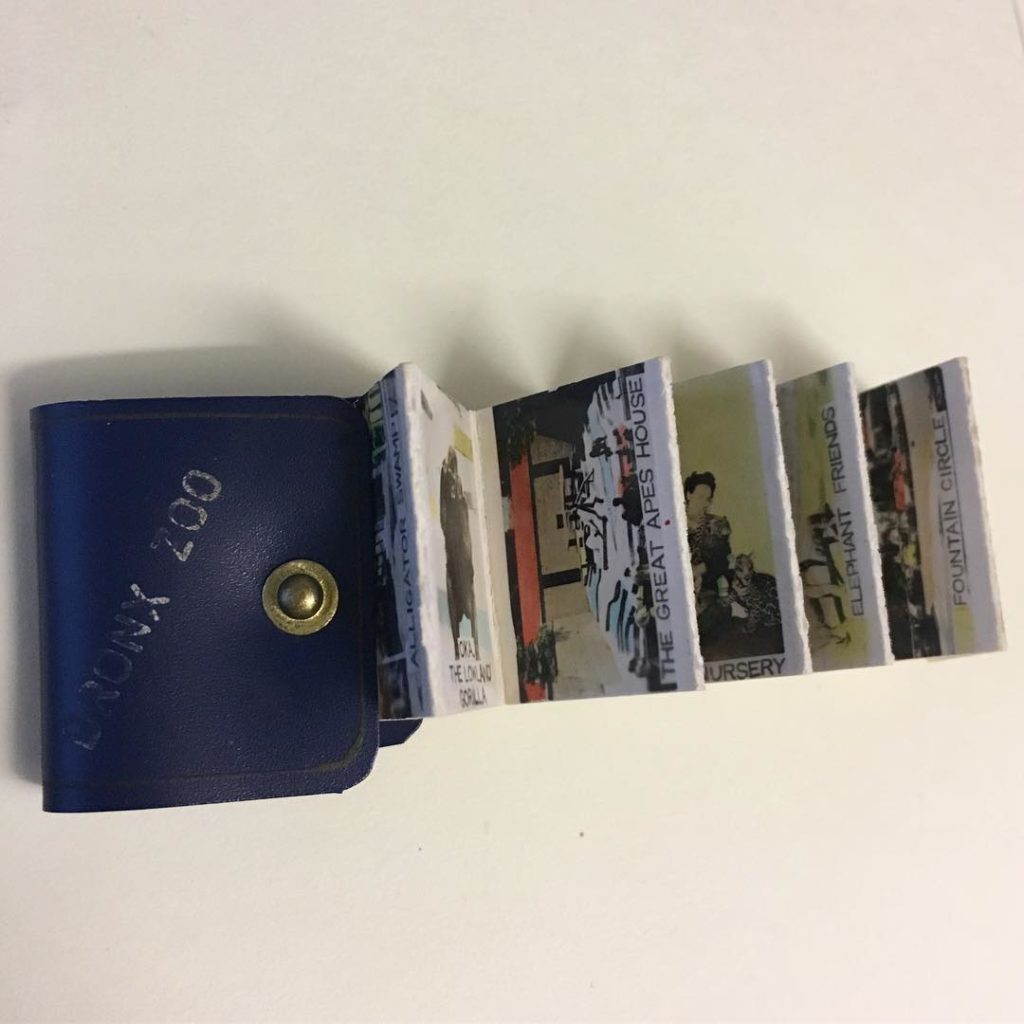
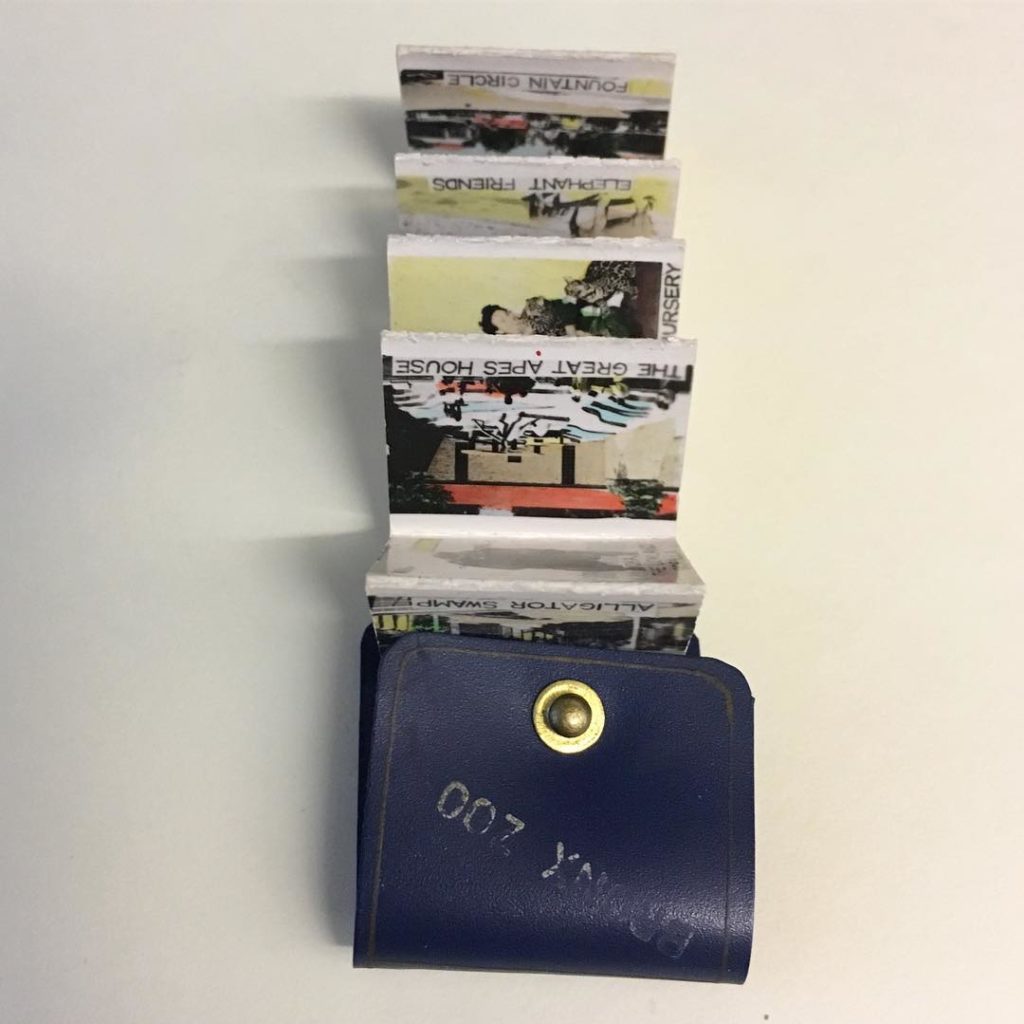
For this month’s Archives Hashtag Party theme of #ArchivesArtifacts, we chose to feature our smallest artifact of the archives, this slightly-larger-than-a-penny sized book features photos from the Bronx Zoo. But you don’t need a magnifying glass to see these pictures! They are part of our digitized Bronx Zoo Postcards, which can be found on the WCS Library & Archives website.
View on Instagram

To continue celebrating women in natural history with the Biodiversity Heritage Library, we’re concluding Women’s History Month highlighting Helen Martini. At a time when there was little formal training in caring for zoo animals, Helen Martini used her own intuition, research, and experience to help successfully raise dozens of Bronx Zoo baby animals–at first in her own apartment and eventually in the Bronx Zoo’s first animal nursery, which she began. She never published any technical writings on her work, instead sharing her experiences in a memoir called “My Zoo Family.” Here she is caring for three jaguar cubs and a tiger cub in this 1940s photo.
View on Instagram
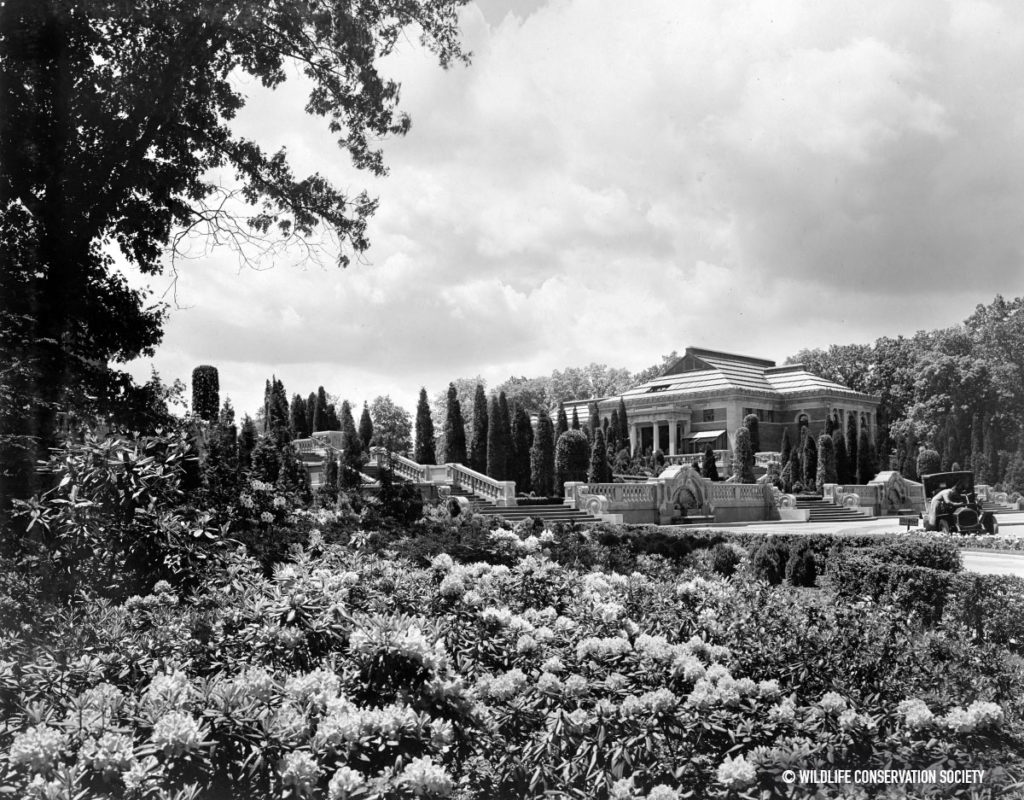
Happy First Day of Spring! Here are the gardens at the Bronx Zoo in full bloom in 1910.
View on Instagram
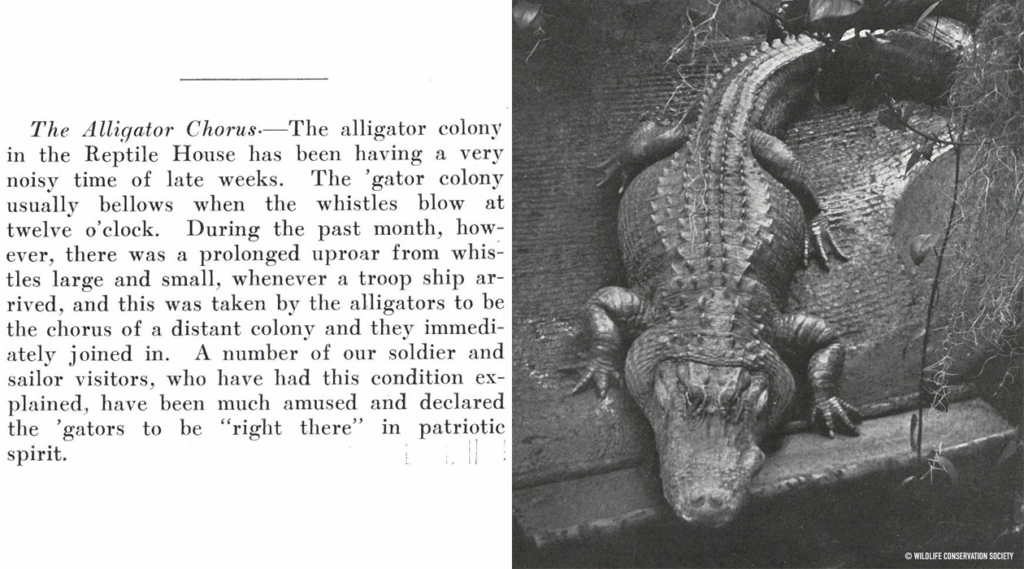
Did you know that alligators sometimes bellow together to create their own little chorus? In a 1919 article from a WCS published magazine, there is a story about the Bronx Zoo alligators singing along to the whistles of ships returning to New York from World War I. Here we have the article as well as a photo of the largest alligator at the Zoo at the time. For more, read the blog post at Wild View.
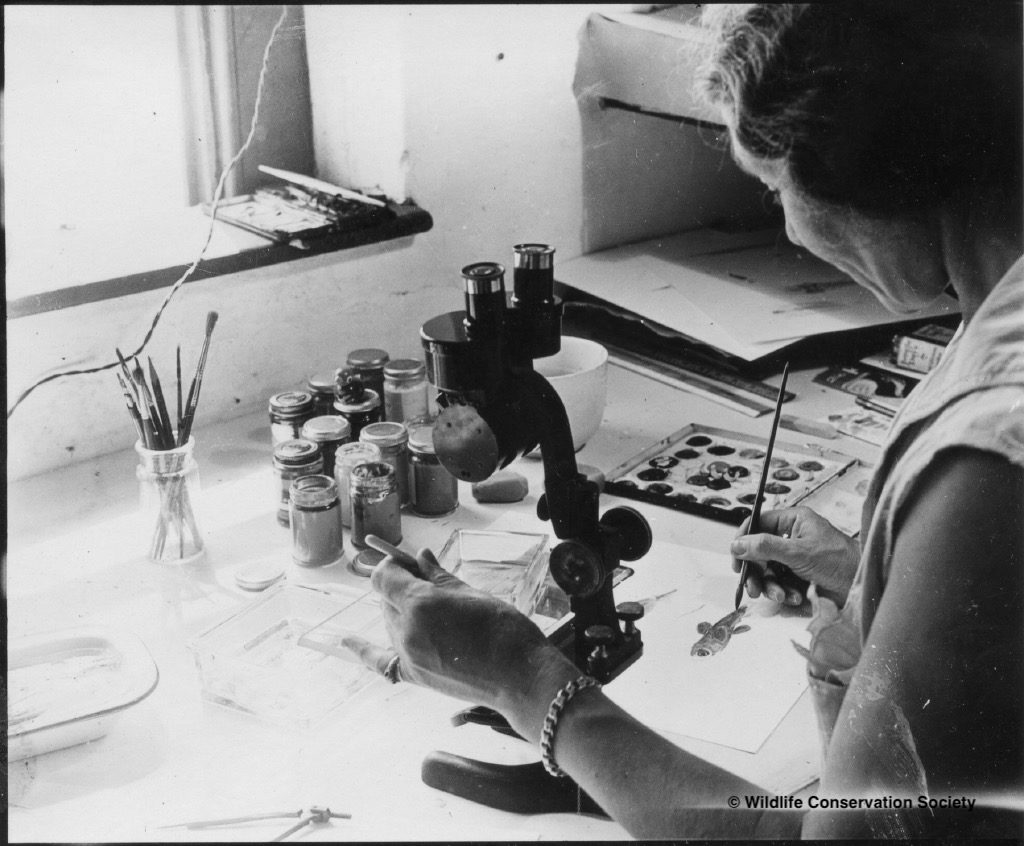
It’s International Women’s Day! We’re joining the Biodiversity Heritage Library in celebrating women in natural history by featuring the work of artist Else Bostelmann.
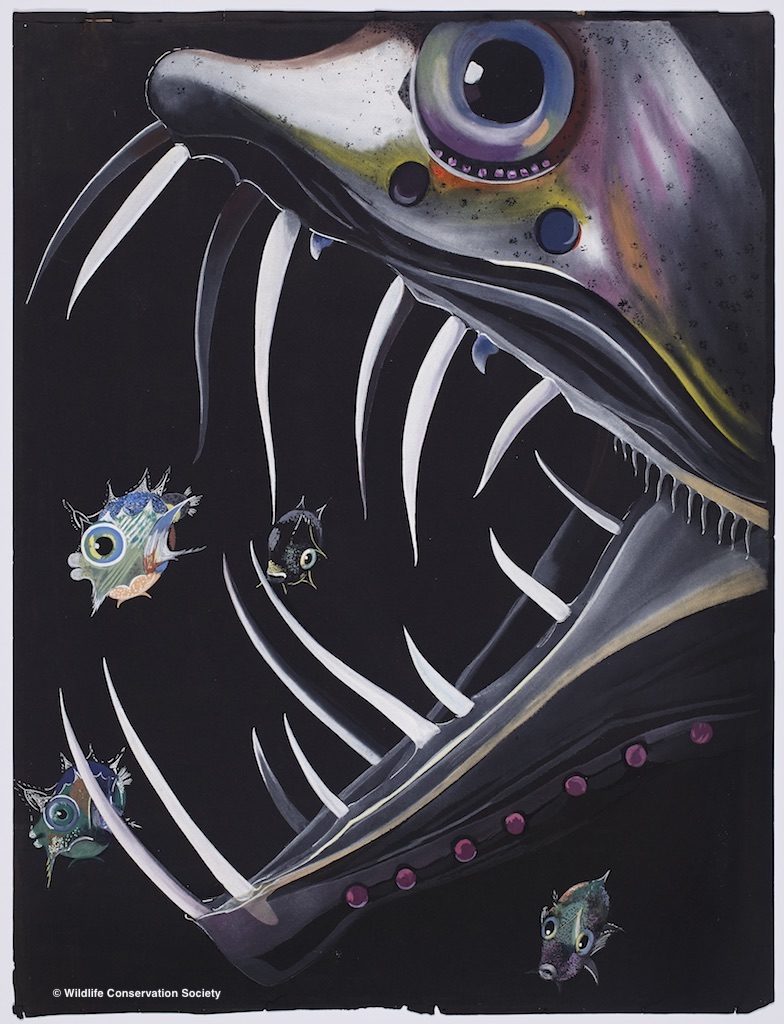
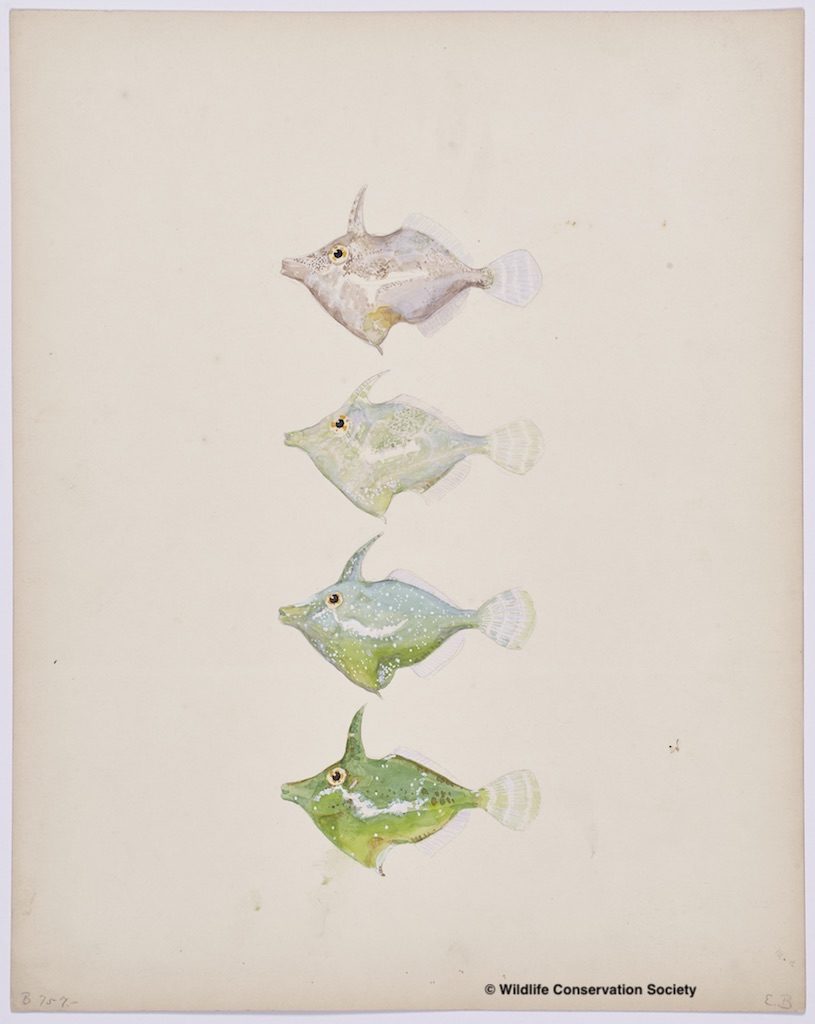
From 1929 to 1934, Bostelmann served as a member of WCS’s Department of Tropical Research staff. Using her artist’s skills, she brought to life the incredible marine creatures the DTR explored in the deep seas around Bermuda. Some of her work was featured in National Geographic, making visible for the first time these never-before-seen species.
View on Instagram.